Home / Blog list page / How to Clean Your Private Area: 6 Intimate Hygiene Tips
How to Clean Your Private Area: 6 Intimate Hygiene Tips
2026-08-27
How to Clean Your Private Area Properly
Proper intimate cleansing starts with clean hands and gentle care. Use lukewarm water and a suitable feminine wash to clean the external intimate area. Avoid water that is too hot and avoid over-cleansing, as this may disturb the natural balance of the intimate area.
For daily care, cleansing once a day is generally sufficient. After washing, gently pat the area dry with a clean towel and wear clean, breathable underwear to help keep the intimate area dry and comfortable.
In This Article
Know Your Intimate Area: What Should and Shouldn’t Be Cleaned?
How Does Intimate Cleansing Change with Age and Life Stage?
6 Essential Tips for Proper Intimate Cleansing
3 Common Intimate Cleansing Mistakes
Do You Need a Feminine Wash?
How to Choose the Right Feminine Wash: 2 Key Factors
2 Daily Habits That Help Maintain Intimate Health
3 Frequently Asked Questions About Intimate Cleansing
VIGILL Feminine Wash Recommendations
Know Your Intimate Area: What Should and Shouldn’t Be Cleaned?
Proper intimate cleansing starts with understanding which areas need to be cleaned and which areas do not.
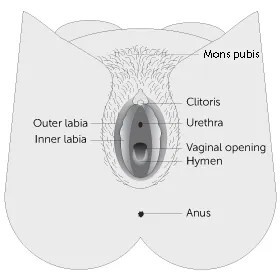
The female intimate area includes the vulva, vagina, urethral opening and anal area. These areas have different structures and natural environments, so their cleansing needs are also different.
Areas That Should Be Cleaned Daily
1. Vulva
The vulva is the external intimate area, including the mons pubis, labia and the area around the urethral and vaginal openings.
Sweat, urine residue and natural discharge may remain around the folds of the vulva, so gentle daily cleansing can help keep the area clean and comfortable.
Use clean hands and lukewarm water to gently wash the external area and skin folds.
2. Anal Area
The outer anal area and buttock crease may collect sweat and residue during the day.
These external areas should also be gently cleaned daily during bathing to maintain personal hygiene.
Areas That Do Not Need Internal Cleansing
1. Urethra
The urethra is the passage through which urine leaves the body. There is no need to wash inside the urethra.
Normal gentle cleansing around the external urethral opening is sufficient.
2. Vagina
The vagina has a natural self-cleaning function and does not normally need to be washed internally.
Natural vaginal discharge helps remove secretions and cells from the vagina. Even during menstruation, cleansing the external vulva is generally sufficient.
Avoid routinely flushing or washing inside the vagina. If an infection or unusual discomfort occurs, seek advice from a doctor or healthcare professional.
Simple rule to remember: Clean the outside gently, but do not wash inside the vagina or urethra.
How Does Intimate Cleansing Change with Age and Life Stage?
The intimate environment changes with age and different stages of life. Hormonal changes can affect moisture, discharge and pH levels, so cleansing needs may also change.
Children and Pre-Teen Girls
Before menstruation begins, estrogen levels are low and the intimate area is generally closer to neutral, at around pH 6–7.
Daily cleansing should be gentle and simple. If discomfort occurs, a mild intimate cleansing formula may be considered for external cleansing.
Adult Women
For healthy adult women, the intimate environment is usually around pH 3.5–4.5.
During this stage, estrogen levels are relatively stable and Lactobacillus bacteria help maintain the naturally acidic intimate environment.
For daily care, choose gentle cleansing and avoid excessive washing that may disturb the natural balance.
During Pregnancy
Vaginal discharge often increases during pregnancy and may change as pregnancy progresses.
Pay attention to changes in the colour, amount or smell of discharge and maintain gentle external cleansing.
During Menstruation and After Childbirth
Menstrual blood and postpartum discharge may temporarily raise the pH of the intimate environment to around pH 5–7.
During these periods, maintain regular external cleansing and change sanitary pads, tampons or postpartum pads frequently to help keep the area clean and comfortable.
During Menopause
After menopause, estrogen levels gradually decrease. The intimate area may become drier and the pH may rise to around pH 6.5–7.
A gentle feminine wash with moisturising ingredients may be more suitable for daily care during this stage.
6 Essential Tips for Proper Intimate Cleansing
Proper intimate cleansing helps maintain daily hygiene and comfort. Keep these 6 important tips in mind.
Tip 1: Wash Your Hands First
Our hands come into contact with many surfaces throughout the day and may carry dirt and bacteria.
Always wash your hands before touching or cleaning the intimate area.
This is particularly important when helping children or older adults with personal care.
Tip 2: Clean Once a Day
For daily hygiene, gently clean the external intimate area at least once a day.
During menstruation, after sexual activity, after exercise or on hot and humid days when you sweat more, you may increase cleansing as needed to remove excess sweat, discharge, menstrual residue and odour.
Avoid unnecessary over-cleansing.
Tip 3: Choose a Gentle Feminine Wash
Choose a mild feminine wash designed specifically for the external intimate area.
A formula around pH 3.5–4.5 is suitable for the naturally acidic intimate environment of adult women.
Avoid alkaline soaps or cleansing products with very strong cleansing power, as they may disturb the natural balance and cause discomfort.
Tip 4: Use Lukewarm Water, Not Hot Water
Intimate skin is delicate and sensitive to temperature.
Use lukewarm water and gently wash from front to back. Clean the external vulva and skin folds first, followed by the anal area and buttock crease.
Avoid using very hot water.
Tip 5: Do Not Scrub or Over-Clean
Use clean hands or a clean, soft towel to gently cleanse the external intimate area.
Avoid rough bath brushes, exfoliating towels or bath sponges.
Use only an appropriate amount of feminine wash and cleanse gently without excessive rubbing.
Tip 6: Keep the Area Dry and Breathable
After cleansing, gently pat the area dry with a clean towel.
Wear clean, breathable underwear and avoid keeping the intimate area damp for long periods.
Keeping the area dry and well ventilated helps maintain daily comfort.
If you experience persistent itching, unusual discharge, strong odour or other discomfort, consult a healthcare professional.
3 Common Intimate Cleansing Mistakes
Correct intimate cleansing helps maintain personal hygiene. However, incorrect cleansing habits may disturb the natural intimate environment.
Mistake 1: Cleaning the Wrong Area
Avoid washing deep inside the vagina, urethra or rectum.
These internal areas are delicate and have their own natural protective environment. Unnecessary internal washing may cause irritation and disturb their natural balance.
For daily care, focus on gently cleansing the external vulva and anal area.
Mistake 2: Using the Wrong Cleansing Products
Regular soap, strongly alkaline products, disinfectants and harsh body washes may not be suitable for delicate intimate skin.
Products containing artificial colours, strong fragrances or harsh cleansing agents may also cause irritation or discomfort for sensitive skin.
Choose a mild feminine wash specifically designed for external intimate cleansing.
Mistake 3: Over-Cleansing
The intimate area does not require aggressive cleansing.
Sweat, discharge, menstrual residue and other external residues can usually be removed with gentle washing.
Over-cleansing or using products with excessive cleansing power may remove too much natural moisture and leave the skin feeling dry or uncomfortable.
Do You Need a Feminine Wash?
Water alone can be sufficient for basic daily cleansing.
However, during menstruation, after sexual activity, after exercise, after childbirth or when there is more sweat or discharge, a suitable feminine wash may provide additional cleansing.
The external intimate area includes delicate skin and mucosal tissue that differs from the skin on many other parts of the body.
For this reason, intimate cleansing products should be mild and designed specifically for the external intimate area.
Avoid using harsh soap, disinfectants or products with excessive cleansing power.
How to Choose the Right Feminine Wash: 2 Key Factors
When choosing a feminine wash, consider two main factors:
Your skin condition
When you plan to use it
1. Choose According to Your Skin Condition
Normal Skin
For everyday cleansing, choose a gentle feminine wash that helps keep the external intimate area feeling clean and fresh.
Formulas containing soothing botanical extracts or light essential-oil fragrances may be suitable for normal skin.
Sensitive Skin
Sensitive skin should avoid over-cleansing.
Choose mild formulas containing moisturising or soothing ingredients such as Cranberry Extract or Prebiotics to help maintain skin comfort.
Dry or Dull-Looking Skin
For intimate skin that feels dry or lacks radiance, choose a moisturising formula.
Products containing ingredients such as Vitamin B3 (Niacinamide) may also be suitable for caring for dull-looking external skin.
2. Choose According to When You Use It
During Menstruation or Postpartum Recovery
During menstruation or postpartum recovery, there may be more blood or discharge and the intimate area may feel more sensitive.
Change sanitary products frequently and choose a gentle cleansing formula that helps keep the external area clean and comfortable.
Formulas containing ingredients such as Tea Tree Oil or Sea Buckthorn Oil may also be suitable for cleansing and care during these periods.
During Pregnancy or Times of Physical Change
Pregnancy, hormonal changes or periods of illness may affect the intimate environment.
Choose a mild, moisturising formula containing ingredients such as Cranberry Extract, nourishing oils or Prebiotics.
After the First Menstruation
Many girls begin using feminine wash after their first menstruation.
At this stage, choose a simple and gentle formula containing soothing ingredients such as Chamomile Extract or Milk Extract.
A mousse-type cleanser may also provide gentle and convenient cleansing.
During Menopause
As estrogen levels decrease, intimate skin may gradually become drier and more sensitive.
A gentle moisturising formula containing ingredients such as Vitamin B3 or nourishing oils may help cleanse while maintaining skin comfort.
2 Daily Habits That Help Maintain Intimate Health
In addition to proper cleansing, daily clothing and diet habits also play an important role in intimate care.
Habit 1: Choose Breathable Clothing
Wear breathable cotton or silk underwear.
Choose loose-fitting pants or skirts instead of very tight clothing.
Keep the intimate area dry and well ventilated.
Change underwear daily.
Wash underwear thoroughly.
If you have sensitive skin, simple or lightly coloured underwear may be more suitable.
Habit 2: Maintain Healthy Diet and Hydration Habits
Drink enough water each day, especially during exercise or hot weather.
Eat a balanced diet with fruits and vegetables.
Foods containing Vitamin C and antioxidants can be included as part of a healthy diet.
Probiotics may also be included as part of daily dietary care.
Eat enough fibre to support digestive health.
Avoid excessive sugar intake.
Frequently Asked Questions About Intimate Cleansing
Q: Can I Wash My Private Area with Water Only?
Yes. Water alone can be sufficient for basic daily cleansing of the external intimate area.
However, during menstruation, after sexual activity, after exercise, after childbirth or when there is more sweat or discharge, you may choose to use a gentle feminine wash for additional cleansing.
Q: What Should I Do If Feminine Wash Accidentally Gets Inside?
If a small amount of feminine wash accidentally enters the vaginal opening, allow it to flow out naturally and gently rinse the external area with clean water.
Avoid intentionally flushing or washing inside the vagina.
If irritation or discomfort continues, stop using the product and seek professional advice if necessary.
Q: How Should I Clean My Intimate Area Before and After Sex?
Before and after sexual activity, gently cleanse the external vulva with water and a mild feminine wash if needed.
Pay particular attention to the external skin folds and cleanse gently without excessive rubbing.
Avoid washing deep inside the vagina.
VIGILL Feminine Wash Recommendations
VIGILL Feminine Wash is designed with the concept of combining daily cleansing and intimate care.
Different formulas are available to suit different skin conditions and life stages.
VIGILL Feminine Wash — Prebiotic Series
The VIGILL Prebiotic Series contains a prebiotic oligosaccharide complex designed for intimate skincare.
It also features a pH 3.5 acidic formula together with moisturising ingredients to provide gentle cleansing and daily care.
The nourishing formula contains ingredients such as nourishing oils, Milk Extract, Lactose and free fatty acids to help leave intimate skin feeling soft and moisturised.
Suitable for:
Daily intimate cleansing and users looking for gentle, moisturising care.
VIGILL Feminine Wash — Cranberry Sensitive Care
This formula contains Cranberry Extract and has a natural Geranium essential oil fragrance.
It is designed to provide gentle cleansing and care for delicate or sensitive intimate skin.
Suitable for:
Sensitive skin and daily intimate care, including daily cleansing during pregnancy.
This formula contains Vitamin B3 (Niacinamide), a commonly used skincare ingredient for improving the appearance of dull-looking skin.
The moisturising cleansing formula also contains Ylang-Ylang essential oil for a soft feminine fragrance.
Suitable for:
Dry or dull-looking intimate skin, mature women and daily care during menopause.
VIGILL Feminine Wash — Gentle Care for Young Women
This gentle formula contains Roman Chamomile Extract together with a natural Jasmine essential oil fragrance.
It is designed to gently cleanse and care for intimate skin during the changes of puberty.
Suitable for:
Teenage girls after their first menstruation and young women looking for gentle daily cleansing.
Final Reminder
Proper intimate cleansing does not mean washing more often or cleaning deeper.
The key is to clean the external intimate area gently, use lukewarm water, avoid over-cleansing and choose a feminine wash that suits your skin condition and life stage.
For healthy adult women, maintaining the naturally acidic intimate environment of around pH 3.5–4.5 is also an important part of daily intimate care.
With the right cleansing habits and suitable products, you can help keep the intimate area clean, comfortable and well cared for.